
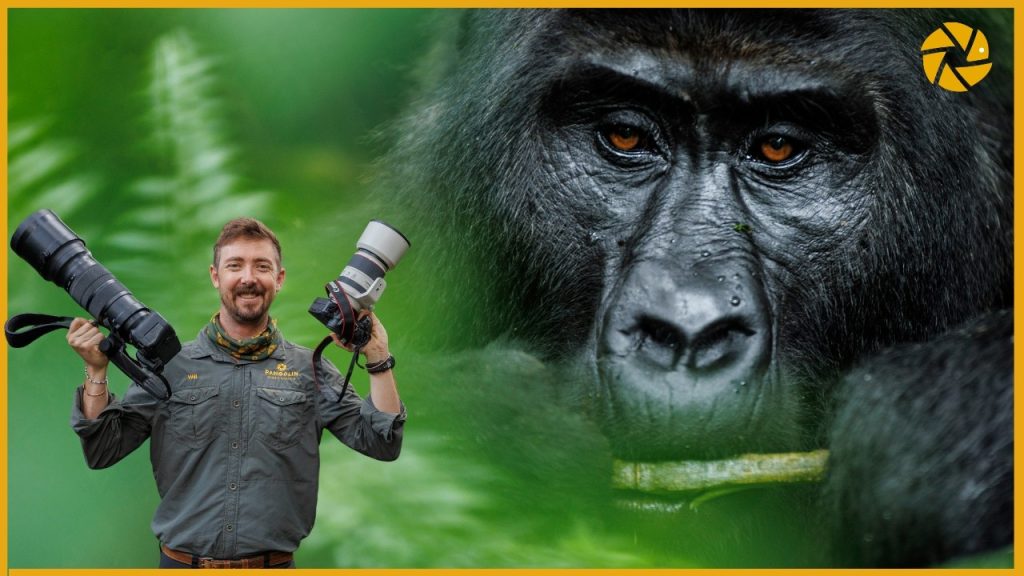
Photography Safaris in Uganda
Photography Safaris in Uganda is one of the perfect ways to preserve your safari memories, improve your art and impress your friends and relatives back home. Uganda is a premier destination for photography safaris, particularly for photographers interested in primates and birdlife. The country’s diverse ecosystems, ranging from dense rainforests to open savannahs and wetlands, provide unique subjects like mountain gorillas, tree-climbing lions, and the prehistoric-looking shoebill stork.
More facts for Photography Safaris in Uganda
Uganda is home to the most diverse and charismatic animals on Earth, making the Pearl of Africa a true gem. For instance, Kidepo Valley National Park stands out as one of Africa’s premier destinations for photography safaris. Many call Kidepo “Africa’s True Wilderness” because of its unique beauty and varied wildlife. Furthermore, the Park boasts an aesthetically pleasing landscape, which makes it the best spot in Uganda for photographic tours.
Beyond its scenery, Kidepo is home to many species, including four of Africa’s famous Big Five: lions, buffalo, leopards, and elephants. Meanwhile, the Park’s various water bodies provide a habitat for crocodiles and hippos. You can also find other picturesque locations for photography in Murchison Falls, Bwindi Impenetrable, Queen Elizabeth, and Kibale Forest National Parks.
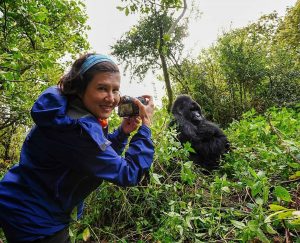
Operators typically customise these photography trips to your personal preferences, catering to everyone from amateurs to professionals. Consequently, you can capture the finest shots of endangered mountain gorillas, chimpanzees, tree-climbing lions, and the vivacious people of Uganda.
While the country needs little introduction, we have designed our wildlife photo safari to take you directly to the heart of these locations. To ensure you spend ample time in the field, we even arrange flights between the capital and distant parks.
Specifically, you will spend extensive time in Kidepo, Murchison Falls, and Queen Elizabeth to develop a real “sense of place” and create numerous images. Because Uganda is home to some of Africa’s greatest wildlife destinations, this safari will surely exceed your expectations. Additionally, birders can head to Semuliki National Park for a world-class bird-watching experience.
Regarding culture, you will enjoy interacting with the Batwa pygmies, who gladly share their traditions with visitors. Several authorised operators, such as Nature Adventure Uganda, perfectly organise these thrilling opportunities for you. Finally, these companies provide knowledgeable local guides who understand a photographer’s needs, ensuring your adventure remains productive and unforgettable.
Best Time for Photography
- Dry Seasons (June–September & December–February): These are the best times for general wildlife viewing. Animals congregate around water sources, and trails are drier for primate trekking.
- Wet Seasons (March–May & November): While more challenging for travel, these months offer lush, vibrant green landscapes and dramatic, mist-filled scenes for artistic, moody compositions.
Essential Gear and Tips
- Lenses: A versatile 70-200mm f/2.8 or 100-400mm zoom lens is essential for most wildlife photography. A fast aperture (f/2.8) is critical for the low-light conditions found in primate forests.
- Settings: In dense forests, use high ISO (800-1600+) and a shutter speed of at least 1/250s to freeze movement.
- Etiquette: Flash photography is strictly prohibited when with gorillas or chimpanzees to avoid disturbing them.
- Gorilla Habituation: For photographers seeking more than the standard 1-hour with gorillas, the Gorilla Habituation Experience in Bwindi allows up to 4 hours of observation.