
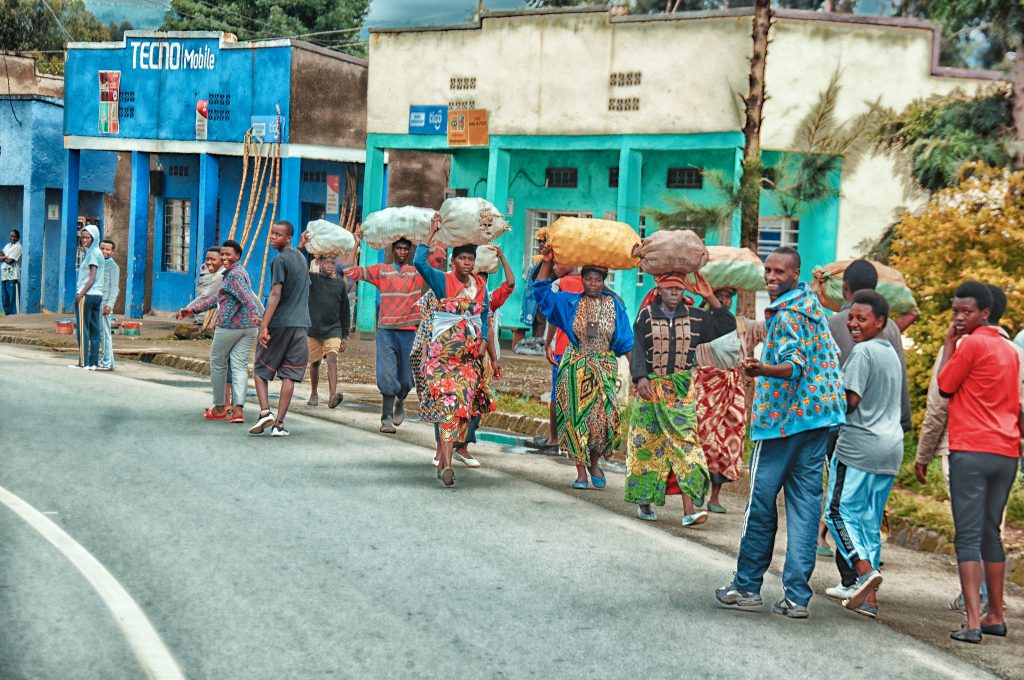
13 Facts That Will Change What You Think About Rwanda
Think you know Rwanda? Think again. From gender equality to environmental conservation, this small East African nation is full of fascinating facts and surprises that will wow even the most knowledgeable traveller. Most of the 13 Facts That Will Change What You Think About Rwanda are as follows;
Women make up 64% percent of the Rwandan Parliament.
As governments around the world are under fire for unequal gender representation in politics, the Rwandan government is way ahead of the game. In the World Economic Forum’s ranking of countries by the best and worst gender gaps in government, Rwanda ranks sixth (with the USA at number 28). With 64% of seats in the Rwandan parliament held by women, and countless other ministerial and other important offices structured similarly, Rwanda is unique.
Rwanda is the smallest country in East Africa.
Despite being in the news so frequently, Rwanda is the smallest country in East Africa – even smaller than its neighbour, Burundi and dwarfed by Tanzania, Uganda, and the Democratic Republic of Congo. Rwanda occupies an area of 10,169 square miles, yet it remains the most densely populated country on the continent. Consequently, communities, homes, or terraced farms occupy almost every plot of land.
Even though Rwanda is small, several distinct ecosystems make up its landscape.
With the lush rainforests of Nyungwe to the south, the Virunga volcanic massif to the northwest, and the savanna of Akagera National Park to the east, Rwanda does have it all. To top it off, an impressive array of indigenous flora and fauna also call this country home.
Rwanda is one of the safest countries in the world
Listed as the ninth safest country in the world by the World Economic Forum and the 11th safest by a 2017 Gallup poll, Rwanda is impressively safe, stable, and easy to visit. Ranking ahead of countries like Austria and New Zealand, Rwanda has gone the extra mile to make tourists and residents feel as secure as possible.
While Kinyarwanda serves as Rwanda’s primary local language, most citizens also speak French, English, or Swahili.
Rwandans generally speak more than just their native Kinyarwanda. Older generations speak French as a result of Rwanda’s colonial history. However, younger citizens are increasingly adopting English and Swahili as these languages enter the cultural mainstream. Due to the influx of refugees from across the region, Rwanda is becoming a pretty multicultural country with a lot of linguistic diversity.
The Rwandan genocide was almost 24 years ago.
Despite what some Western media would have you believe, the Rwandan genocide occurred almost 24 years ago, in April 1994. Although this was a tragic and harrowing event, Rwanda has done an incredible job of bouncing back, rebuilding, and rebranding.
Rwanda and Burundi used to be the same country.
Before colonisation, Rwanda and Burundi existed as separate nations. Eventually, the Germans combined the two countries in 1894, and the territory remained “Ruanda–Urundi” until it gained independence from Belgium in 1962. Since then, shared borders and cultural similarities have kept the two nations closely linked.
Rwanda remains landlocked
While photographs showcase Rwanda’s bright blue lakes, lush forests, and towering volcanoes, the country remains landlocked. To address this, authorities plan to build a railway connecting the Tanzanian coast to Kigali. This project aims to expand trade and improve cohesion across East Africa.
Animal and environmental conservation is a big priority.
In 2008, Rwanda became known worldwide for banning plastic bags to go green. Coupled with the country’s conservation efforts for the endangered mountain gorillas in the Virunga Mountains, Rwanda is as sustainable as it gets. The work of Dian Fossey and the film Gorillas in the Mist brought significant international attention to the issue. Still, the Rwandan government and various NGOs have also worked tirelessly to protect the gorilla population and its natural habitat.
Rwandan coffee is too good.
Rwanda’s coffee ranks alongside that of Brazil, Ethiopia, Nicaragua, and Costa Rica. Known around the world for its dark and fruity flavours, Rwandan coffee continues to win global cupping competitions, as cafés, roasters, and artisanal growers are growing in number in Rwanda more than ever.

Once a month, the country participates in a mandatory national community service initiative.e
Called Umuganda, this national day of service occurs on the last Saturday of every month. All Rwandans and residents have to work within their community sectors on various public works projects, from road maintenance and house building to tree planting and farming.
Rwanda has more than just gorillas.
While mountain gorillas currently drive most Rwandan tourism, the nation offers much more to explore. For instance, travellers can discover sparkling lakes, dramatic volcanoes, and diverse landscapes in Akagera and Nyungwe National Parks. In these parks, visitors encounter Africa’s Big Five, various primates, and hundreds of bird species. Furthermore, the capital city, Kigali, has quickly evolved into a creative foodie hub. Therefore, you should certainly come for the gorillas, but stay to experience everything else this tiny country has to offer.
Tourism is one of Rwanda’s fastest-growing industries.
Tourism in Rwanda is on the rise, especially as major outlets such as The New York Times and CNN Travel recognise the country as one of the world’s most desirable travel destinations. Although Rwanda’s coffee and tea exports, as well as the burgeoning business sector, are important factors in Rwanda’s GDP, the booming tourism industry has quickly become integral to Rwanda’s economic growth.