
What Might Happen to the World Without Elephants?
What Might Happen to the World Without Elephants? The possibility of elephants going extinct is increasing. In the 19th century, there were between 3 and 5 million elephants. Now, an estimated 400,000 individuals remain across the continent.
Current poaching and habitat loss rates threaten to wipe out wild elephants within 20 years. Therefore, we must act immediately to protect them. Before they vanish, we should recognise that these magnificent creatures remain vital to the environment’s survival.
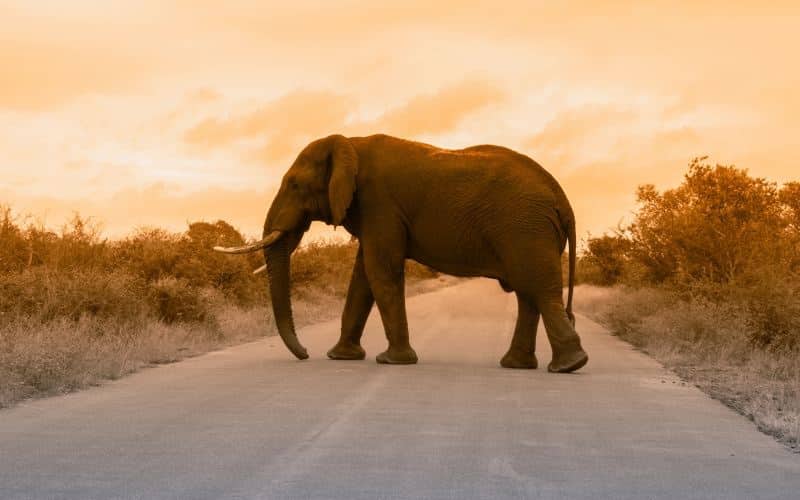
Ecosystem engineers
Elephants act as ecosystem “engineers” by actively shaping, building, and rejuvenating their natural landscapes. By foraging on vegetation, they replenish plant structures, which then sustain a diverse food supply for animals ranging from mammals to insects. Ultimately, these ecosystems would struggle to support themselves without the elephants’ influence.
For example, elephants break branches off trees, sometimes even the entire tree. It may seem destructive, but it creates microhabitats for seedlings, small animals such as mongooses, and invertebrates such as butterflies. The downed branches allow smaller browsers, such as impala, to access otherwise unreachable foliage. Through their feeding habits, elephants maintain savannah structure by reducing the tree-to-grass ratio, which benefits grazers such as buffalo and creates nutrient-rich microclimates beneath dead trees, allowing new sprouts to emerge and thus creating new trees in place of the old.
Elephant dung is a vital food source for dung beetles and a variety of birds like spurfowl and quails, which, in turn, help disperse seeds for many tree species. Other bird species, such as the ground hornbill and the pearl-spotted owlet, rely on elephants to create nesting sites in the hollows of old, dead trees that elephants have knocked over.
Furthermore, an elephant’s large size creates pathways through thickets for other smaller species, such as antelope, predators, and even humans hiking through the African bush. Overall, elephants greatly increase biodiversity, benefiting almost everything from mites to mammals.