
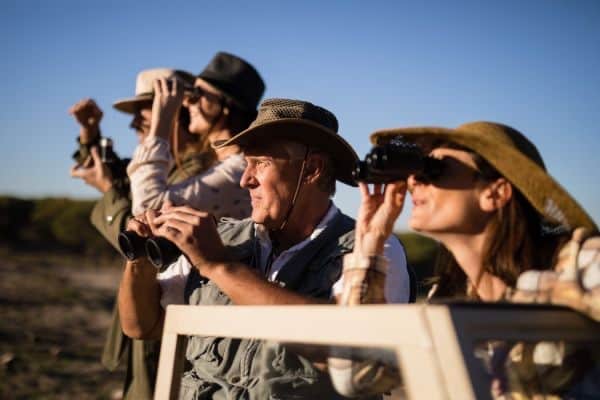
Safari Moods – What to Wear on a SAFARI in East Africa?
Safari Moods and What to Wear on a Safari in East Africa: Uganda, Rwanda, Magical Kenya & Tanzania, which boast numerous adventure experiences ranging from the popular wildebeest Migration in Kenya & Tanzania and Gorilla trekking in Uganda & Rwanda to climbing Tanzania’s free-standing Kilimanjaro Mountain.
Before you travel to any of the above-mentioned destinations, you need to know what to wear on Safari in East Africa.
You should treat all of these lists as guides, since their meaning may vary from person to person
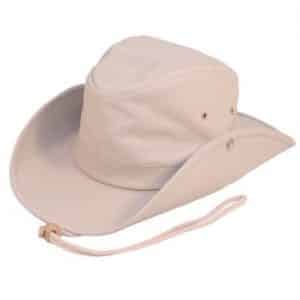 WIDE BRIMMED SAFARI HAT
A Safari hat comes in handy for blocking out the Tropical Sun, especially if you are going on a Walking Safari or a Horseback Riding Safari – Lake Mburo.
You will always find it useful on gorilla and chimpanzee treks, forest walks, and boating on Lake Kivu, Lake Victoria, Lake Bunyonyi or Lake Mutanda. A wide-brimmed safari hat will also be useful on a fishing Safari in Uganda at Murchison Falls along the Nile.
You can buy a wide-brimmed hat in your home country to wear during your travels. Alternatively, you can buy one when you arrive.
 COMFORTABLE CLOTHING
The keyword for your safari clothing is comfort, with protection as a close second. Though you will be in a tropical climate in both Uganda and Rwanda, the right clothing will protect you.
Loose, comfortable clothing for a safari, a gorilla trek, or a hike is important.
Long-sleeved shirts and long trousers, such as jeans, best protect you from scratches, insect bites, and even nettles.
Shorts are great around the lodge during the day, but on a nature walk or hike, loose-fitting, long-sleeved shirts and long trousers are best, including for dinner at night.
Neutral colours are best while on safari.
Clothing
- Colours: Stick to neutral, natural tones like khaki, beige, olive green, and light brown.
- Avoid Bright colours and dark blue and black, which attract tsetse flies. Avoid camouflage patterns because people might mistake you for a member of the military.
- For daytime: Pack light, breathable, loose-fitting tops and shorts, or trousers, depending on the activity.
- For chilly mornings/evenings: Wear layers to stay comfortable. Specifically, a long-sleeved shirt and long pants protect you from the cold, sun, and insects. Also, bring a light jacket or fleece for extra warmth.
- For walking safaris, Long sleeves and long pants are a must to protect against insects and thorns.
Accessories and other items
- Footwear: Comfortable shoes are key. Ankle-high hiking boots are ideal for walking, while comfortable sneakers can also work.
- Other essentials: Don’t forget a wide-brimmed hat for sun protection and insect repellent.
- Smart casual: Some lodges and camps may have a more formal dinner setting, so a single set of smart-casual attire may be useful, especially if you are spending time in cities like Nairobi or Mombasa.