Who is Eligible For Gorilla Trekking in Uganda and Rwanda
Travellers planning African tours frequently ask who is eligible for gorilla trekking in Uganda and Rwanda. Therefore, this guide explains who may trek, focusing on age limits, health requirements, and physical ability. Additionally, it covers permits and other essential eligibility conditions.
Gorilla trekking in Uganda and Rwanda offers a once-in-a-lifetime wildlife experience where visitors meet endangered mountain gorillas in their natural forest habitats. Because these primates share a close genetic link with humans, authorities enforce strict eligibility rules to protect them. Consequently, understanding these qualifications helps travellers plan responsibly while supporting vital conservation efforts in both countries.
Minimum Age Requirement for Gorilla Trekking
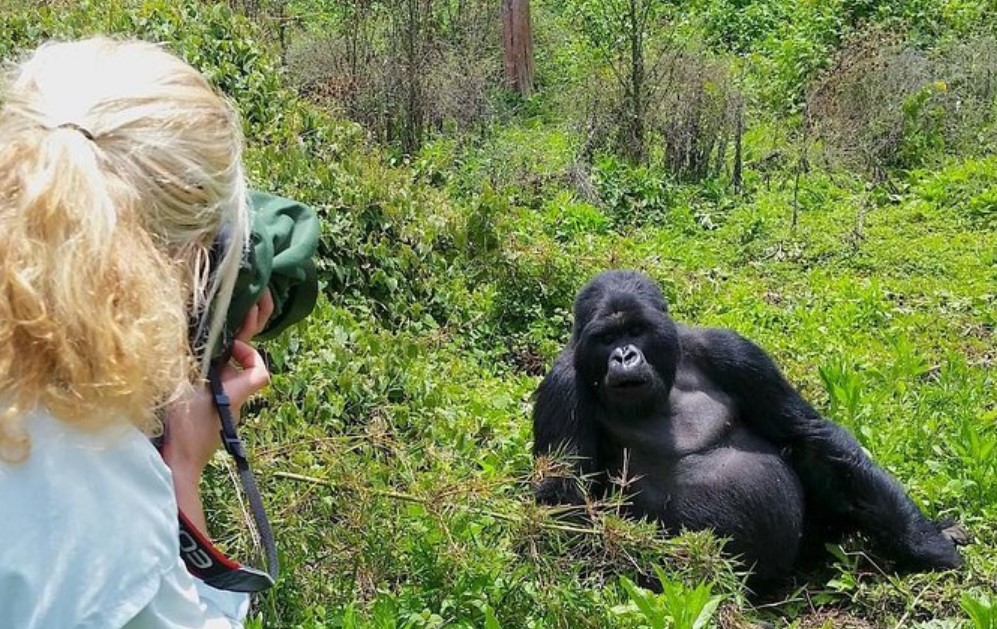
Both Uganda and Rwanda prioritise age as a key eligibility criterion, setting the minimum age at 15 years. This policy applies to all visitors regardless of their nationality. While Rwanda strictly enforces this limit, Uganda occasionally grants special permission to children nearing their 15th birthday; however, this remains an exception and requires advance approval.
Why the Age Limit Exists
Authorities enforce the age limit for several critical reasons. First, gorilla trekking requires hikers to navigate steep, slippery, and densely forested terrain that often exhausts younger children. Furthermore, these children may struggle emotionally with the intense environment of the deep forest. Most importantly, gorillas often react unpredictably to the sudden movements or noise that are more common among younger trekkers, which could jeopardise the safety of the entire group.
 Physical Fitness and Ability
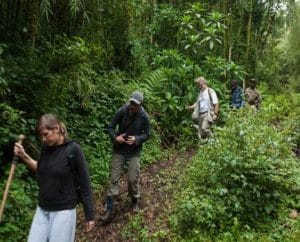
Physical readiness also determines eligibility, as treks can last from 1 to 6 hours. Because the terrain features mud, vines, and steep hills, trekkers must walk steadily and follow the Ranger’s instructions. However, older or less fit visitors can still participate by hiring a porter to assist with balance and gear. Additionally, travellers may request an assignment to a shorter or less demanding trek to better suit their abilities.
Health Requirements for Gorilla Trekking
Good health is a critical eligibility factor because mountain gorillas share a high percentage of human DNA, making them highly susceptible to human diseases.
Who is under restrictions from Trekking?
If you feel sick on the day of your trek, you must inform Park staff immediately. Consequently, officials may allow you to reschedule depending on specific permit conditions. This rule exists because mountain gorillas possess vulnerable immune systems that cannot easily fight human viruses. Therefore, rangers will deny your participation if you:
- Suffer from a flu, cough, fever, sore throat, or respiratory infection.
- Exhibit any symptoms of contagious illnesses.
- Appear visibly unwell on the morning of the trek.
Gorilla Trekking Permits: A Mandatory Requirement
No one is eligible for gorilla trekking without a valid permit issued by the Uganda Wildlife Authority (UWA) or the Rwanda Development Board (RDB). Authorities strictly limit these permits because they allow only eight visitors per gorilla family each day; consequently, these spots frequently sell out months in advance. Additionally, each permit is date-specific and non-transferable, meaning your passport details must match the documentation exactly to ensure your eligibility on the day of the trek.
 National Park Entry and Briefing
Rangers confirm your final eligibility during the morning briefing on the day of the trek. To qualify, you must present a valid permit and passport while attending the mandatory pre-trek safety session. Furthermore, you must agree to follow all Park rules and Ranger instructions throughout the journey. Consequently, officials may disqualify anyone who refuses to follow these guidelines or behaves irresponsibly.
Behavioural Rules and Ethical Eligibility
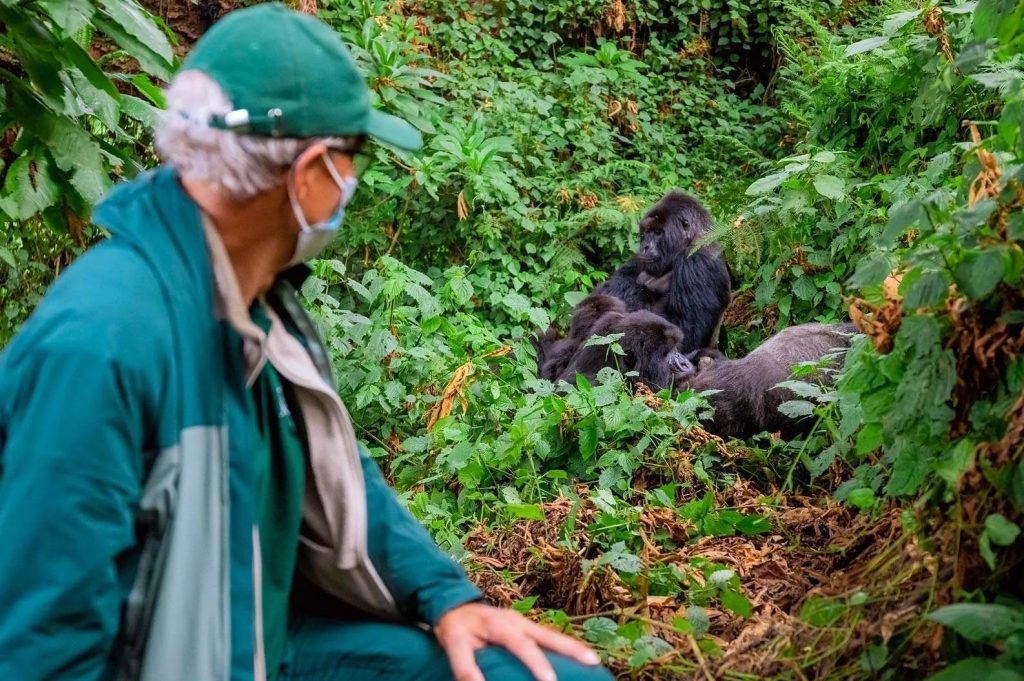
Being eligible for gorilla trekking also means strictly respecting all conservation rules. First, you must maintain a safe distance from the gorillas and avoid touching, feeding, or approaching them at any time. Furthermore, you should speak quietly and avoid sudden movements to prevent startling the group. Additionally, you must limit your time with the gorillas to exactly one hour and refrain from using flash photography. Ultimately, following these rules helps reduce stress on the gorillas and ensures the long-term protection of the species.
Who Is Not Eligible for Gorilla Trekking?
You are ineligible for gorilla trekking if you fall into several specific categories. First, authorities will deny access if you are under 15 years of age or do not possess a valid trekking permit. Furthermore, you cannot participate if you are suffering from infectious or flu-like illnesses, as these pose a direct threat to the gorillas. Ultimately, rangers will disqualify anyone unwilling to follow their instructions or the established conservation rules.
Special Considerations for Travelers
Older People and Older Travelers
Authorities welcome older travellers; however, they must maintain a reasonable level of physical fitness to navigate the terrain safely. In fact, many older people successfully trek to gorillas every year with the help of porters and expert guides. Consequently, our team serves as your ultimate guide for a customised gorilla tour, ensuring the itinerary matches each traveller’s specific age and hiking abilities.
Travellers with Disabilities
While trekking terrain is challenging, Uganda has developed special arrangements, such as sedan chairs, to accommodate travellers with disabilities. Consequently, eligibility for these visitors depends on thorough planning and a physical assessment. Therefore, we recommend coordinating with Park authorities early to ensure a safe and accessible experience.
Why Eligibility Rules Matter
Gorilla trekking rules exist not to limit visitors, but to protect critically endangered mountain gorillas and ensure visitor safety. Furthermore, these regulations maintain sustainable tourism while supporting both conservation efforts and local communities. Consequently, by following these eligibility guidelines, travellers play a direct role in preserving gorillas for future generations.
In conclusion, to be eligible for gorilla trekking in Uganda or Rwanda, visitors must be at least 15 years old, physically capable, and in good health. Furthermore, they must possess a valid gorilla trekking permit and demonstrate respect for Park rules and conservation ethics. If you are ready to plan your adventure, please get in touch with us to book or for further inquiries.