Why is Gorilla Trekking So Expensive?
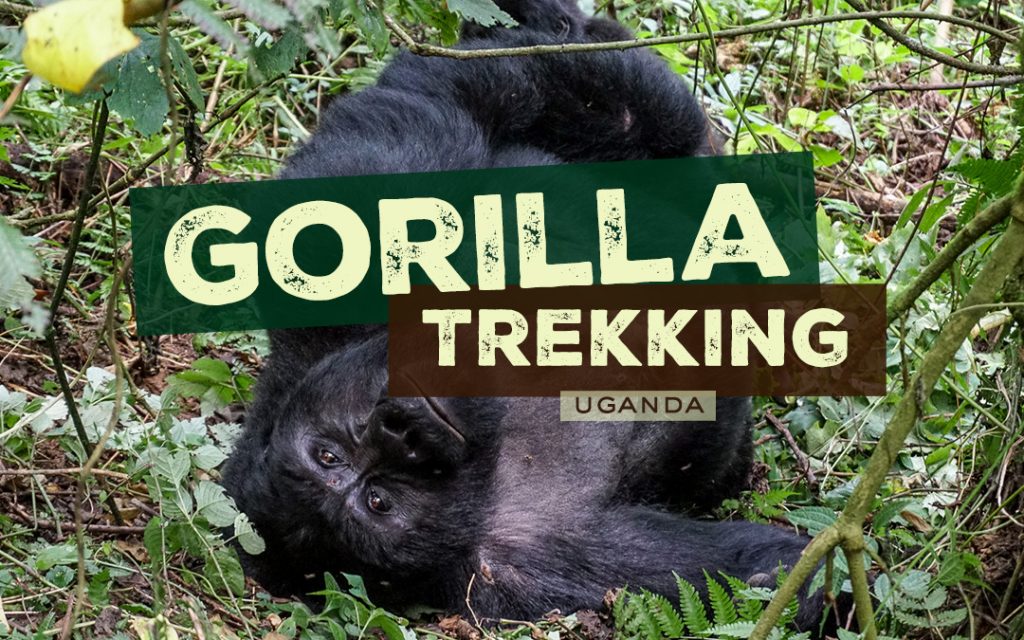
Gorilla trekking is one of the most expensive wildlife experiences in the world. Some people have often wondered why gorilla trekking is so expensive, and Uganda Adventure Safaris is here to provide clear, detailed information to answer this question. A single gorilla permit in Rwanda costs $ 1,500, while in Uganda, a gorilla permit costs $800, which can fund a 3 Day tour or other wildlife experiences.
Gorilla trekking is therefore a high-end cost experience, not for everyone! They determine that the high cost of gorilla trekking stems from several factors that, when combined, make the experience expensive. Gorilla trekking does not entail tours to see gorillas; it includes other projects, such as conservation, empowerment, and operations, all of which need funding.
The reasons for the high cost and why Gorilla Trekking is So Expensive?
The high cost of Gorilla conservation programs
YES, Gorilla conservation is a very expensive venture that involves facilitating and funding various programs to ensure the safety and well-being of endangered mountain gorillas in their natural habitats. Authorities reinvest a large portion of gorilla permit fees into conservation efforts.
The conservation programs in Uganda, Rwanda, and the Democratic Republic of the Congo include anti-poaching patrols in which rangers must monitor gorillas in the wild. These rangers conduct continuous patrols in and around gorilla parks to ensure there are no threats from rebels, no poacher traps, and no other activities that threaten the lives of gorillas.
Moreover, gorilla conservation includes extensive veterinary care to keep critically endangered gorillas in good health. Veterinary doctors must closely monitor gorillas and intervene immediately in the event of illness, emergency, or injury.
In addition, gorilla conservation includes habitat protection programs such as reforestation, maintenance of existing forests, and protection against encroachment by local people.
 Limited Gorilla Permits
To minimise pressure on gorillas from large crowds of travellers, a limited number of gorilla permits is issued each day. By limiting the number of gorilla permits, authorities intentionally restrict visitor numbers to minimise disturbances to this endangered species. They only issue 8 permits per day for each gorilla family.
The top conservation bodies in gorilla parks enforce the gorilla permit regulation. These bodies are the Uganda Wildlife Authority in Uganda and the Rwanda Development Board in Rwanda. This strict limit helps protect gorilla behaviour and keep them safe from stress and human diseases. The low supply of gorilla permits has increased demand, hence the high permit costs.
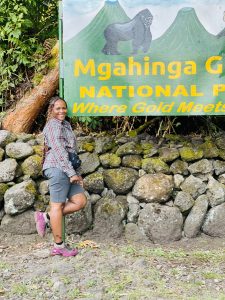 Gorilla Trekking support staff
Why is gorilla trekking expensive? In addition to the traveller, gorilla trekking involves many people working behind the scenes who, together, ensure a successful trek. These include experienced wildlife rangers, Armed security escorts, trackers, porters, community guides, conservation officers, and permit managers, among others.
The high cost of gorilla trekking also covers the extensive personnel required for a safe experience. To ensure security, permit fees fund the salaries, training, and equipment for armed rangers and guides. Additionally, the revenue facilitates and pays all support staff involved in the operation. Ultimately, these operational expenses account for a significant portion of the permit price.
High Cost of Operating in Remote Forests
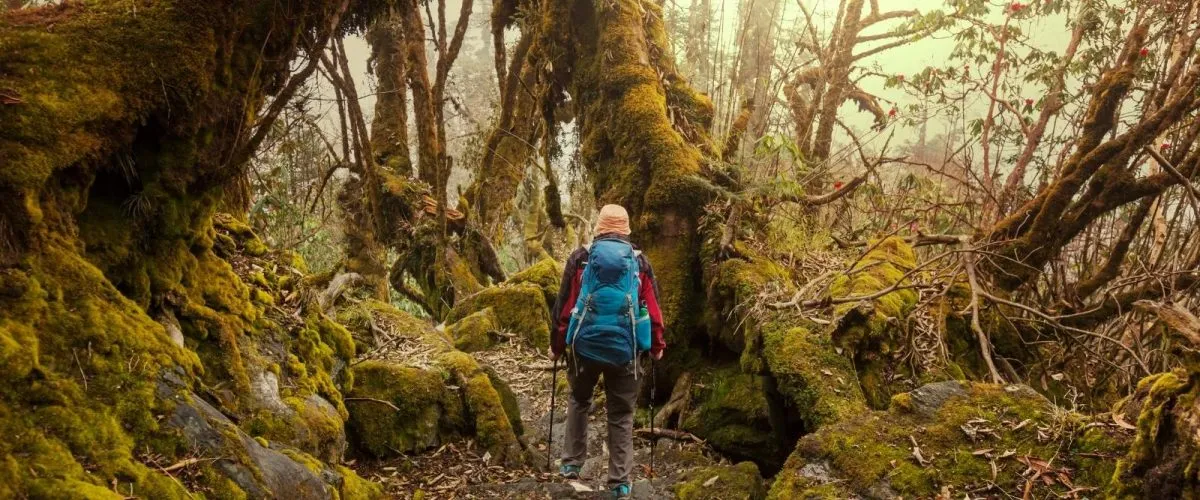
Mountain gorillas live in dense, mountainous rainforests far from towns. Running smooth operations in these remote areas is costly. The cost of operations includes maintaining trekking trails in steep, muddy terrain, investing in Ranger posts, transporting food, fuel, and other equipment, providing security, and transporting staff.
Revenue Sharing with Local Communities
While gorilla trekking is expensive, the revenue directly empowers residents. First, authorities return a portion of permit sales to nearby villages to ensure tourism benefits the community. Consequently, this income funds vital infrastructure projects, including schools, markets, and roads.
The revenue-sharing programs have changed local people’s attitudes towards conservation, thereby resolving human-wildlife conflicts and promoting sustainable gorilla tourism.
 Supporting a Sustainable Tourism Model
Gorilla trekking focuses on low-impact, high-value tourism, unlike other forms of tourism that allow mass tourism, with parks crowded with thousands of travellers on a single day. Gorilla parks, therefore, must generate high revenue from the few clients allowed there, and the only way to do so is by charging high permit fees.
The high gorilla permit costs help limit the number of visitors to see gorillas, maintain high safety standards in gorilla parks, invest in long-term gorilla conservation and sustainability, and offer better protection for wildlife.
Safety and Health Measures
Why is gorilla trekking expensive? The gorilla trekking fees also include a portion for the safety and well-being of endangered gorillas. The safety measures focus on preventing the endangered mountains from deadly human diseases, as they are susceptible and can easily contract diseases from people.
The services include regular staff screenings, Provision of masks, Safety equipment for rangers and emergency response systems, among others.
Conclusively, Gorilla trekking is expensive because it is designed to protect a highly endangered species while providing an unforgettable experience in some of the most remote forests in Africa.