

What to do when a gorilla Charges? Safety Tips
Although it’s rare, gorillas can charge, especially when they feel threatened or uncomfortable. Travellers should therefore be aware of what to do when a gorilla charges. Well, Wild Travel Safaris brings you gorilla trekking safety guidelines, why gorillas charge, different ways of charging and what to do when a gorilla charges at you. Many travellers consider a close encounter with gorillas in the wild to be one of the most incredible and life-changing experiences in the world.
Whereas habituated gorillas are comfortable around people, the endangered primates remain wild animals. They are sometimes under threat, forcing them to charge at anything they perceive as a threat. Understanding how to behave in such a moment is essential for your safety and the well-being of the gorilla family.
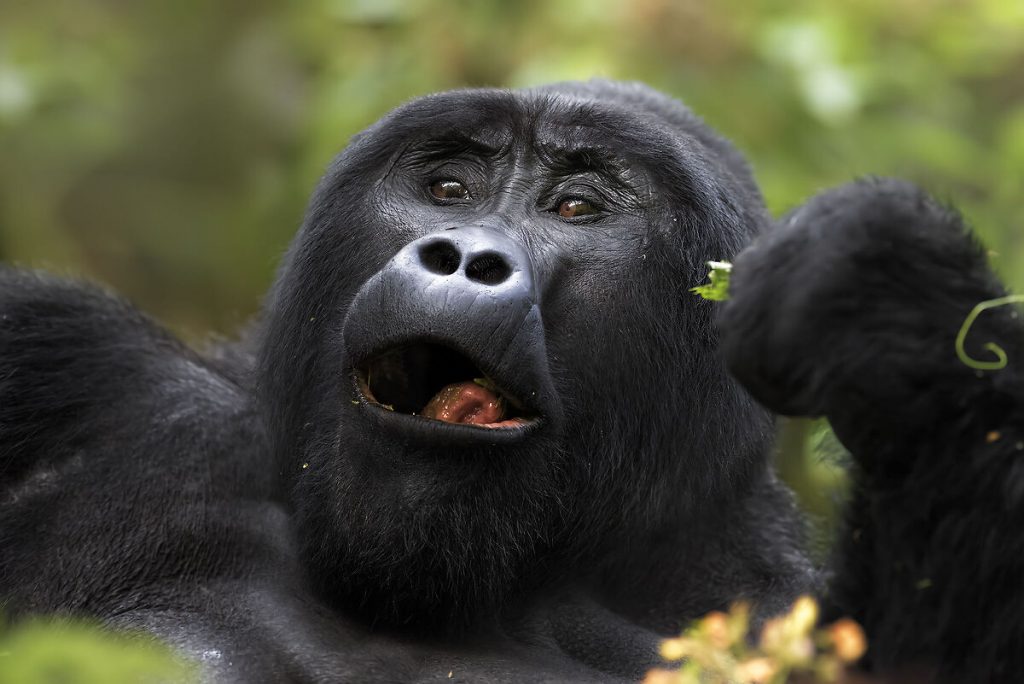
Why Gorillas Charge
Although mountain gorillas rarely attack humans, they may charge if they feel threatened. Consequently, you should understand the specific triggers for this behaviour. These primary reasons include:
Protection of the Family
Silverback gorilla charging. In most cases, a silverback gorilla charges to protect his family from threats or danger. If a silverback gorilla perceives a threat, such as unusual movements, loud noises, or something coming too close to the infants, he charges to scare it away and assert dominance.
Stress or Discomfort
Sudden movements often stress gorillas, causing them to sense tension and react defensively. Because these primates may charge when they feel uncomfortable, you must strictly follow all trekking guidelines. By respecting their space and staying calm, you avoid putting the gorillas under unnecessary stress and ensure a safe encounter.
Miscommunication
Since mountain gorillas communicate amongst themselves using body language, any miscommunication from people is a threat. For example, if a traveller unknowingly beats their chest, the silverback may feel threatened and charge in response.
Surprise Encounters
If a trekking group accidentally surprises a gorilla at close range, the gorilla may charge instinctively to assert dominance.
Types of Gorilla Charges
Bluff Charge
Gorilla trekking safety tips. Bluff charging is the most common type of gorilla charging. Here, the silverback will beat his chest, vocalise loudly, throw vegetation, run toward you and stop suddenly. Bluff charging is mainly a warning to people to respect boundaries. The act is to scare!
Full Charge
A very typical type of charging in which gorillas directly contact people or other threats, threatening them to fight back. The act is so rare, especially with habituated gorillas. Fortunately, gorilla Park rangers undergo extensive training to read primate behaviour. Because they can spot signs of distress early, they warn clients to move away before a situation escalates.
What to Do When a Gorilla Charges
Stay calm and follow the recommended safety protocols if a gorilla charges. Although your instinct might be to flee, you must stand your ground and avoid running to prevent the situation from worsening.
Stay Still and Avoid Running
When a gorilla charges, stay calm and never try to run away. Staying calm signals to the gorillas that you are not a threat and do not intend to harm them. Running away will trigger the gorillas to chase you, thinking you wanted to cause harm to them.
Make Yourself Small and Non-Threatening
Slowly crouch down to shrink your physical profile. By doing this, you signal to the gorilla that you are not a rival or a threat. Additionally, you must avoid direct eye contact, as staring can provoke an aggressive response.
Follow Your Guide’s Instructions Immediately
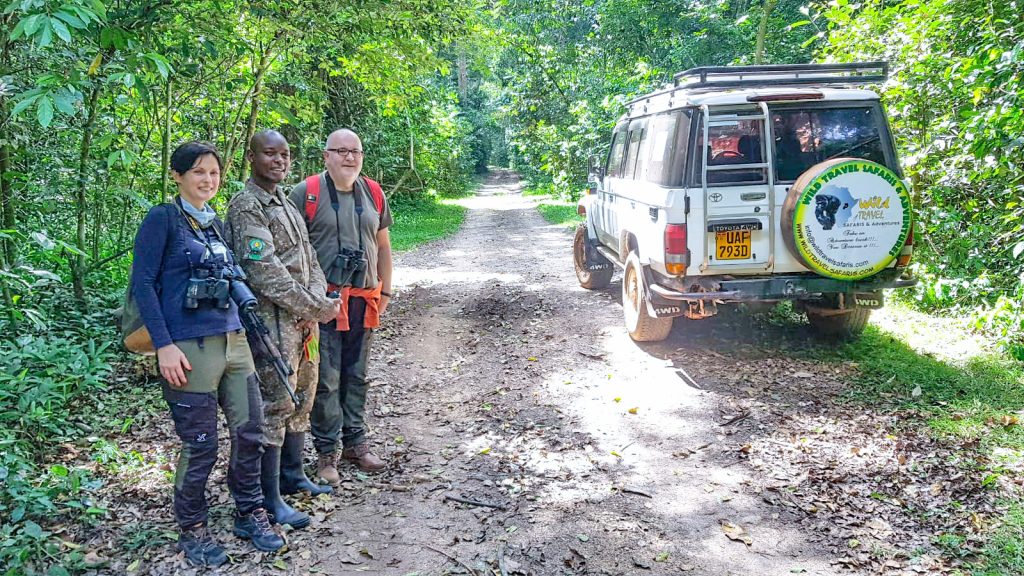
How to prevent gorillas from charging. Endeavour to pay attention and follow the guidelines of the Ranger guides. These people know gorilla language and know what to do when they charge. Always stay behind the guide, listen to their commands and avoid acting on instinct. At times, rangers may mimic gorillas’ behaviours and language to calm them.
Do Not Shout or Make Sudden Movements
Do not make any loud noises, wave your arms, or make jerky movements, as these can provoke wild gorillas. Maintain slow, deliberate motions if you must adjust your position.
Submit to the Gorilla’s Dominance
Gorillas use charging to assert dominance and protect their troop. In the event of a charge, experts generally recommend that humans demonstrate non-threatening behaviour. It typically includes lowering the head, keeping the arms tucked close to the body, and remaining quiet and still. Adopting a submissive posture signals that there is no challenge to the gorilla’s authority, which can help de-escalate the encounter.
Do Not Touch the Gorilla
If a gorilla reaches out or brushes past you, you must remain perfectly still. Because touching the animal—even in panic—can escalate the situation, you should avoid any physical contact.
How to Prevent Gorillas from Charging
To stay safe, travellers should do everything possible to avoid a gorilla charge. First, always maintain a respectful distance from the troop. Before you begin your gorilla trek, rangers brief you on the essential dos and don’ts of the experience. Specifically, they teach you how to behave around the primates to avoid triggering a charge.
These include
- Keep a Safe Distance (7–10 meters): Endeavour to keep a distance from gorillas to avoid close encounters. The recommended distance is 7-10 meters. Coming so close to the gorillas, especially the infants, poses a significant threat, prompting silverback gorillas to charge in defence of the young.
- Stay Quiet and Calm: Soft conversation and slow movement help gorillas feel comfortable.
- Respect Their Space: Never surround the gorillas or block their paths.
- Avoid Flash Photography: Do not use flash, as gorillas fear light, and it can cause agitation.
- Move as a Group: Straying from the group can startle a gorilla and prompt a charge.
How to book gorilla trekking tours in Uganda and Rwanda
Ready to embark on your Uganda and Rwanda gorilla trekking tour? Wild Travel Safaris is your trusted gorilla tour guide. We offer customised gorilla tour packages to Bwindi Forest and the Virunga conservation Area at affordable rates. Contact us to let us know your travel interests, and we shall tailor-make a suitable trip within your budget.
Ultimately, gorilla trekking offers one of the world’s best wildlife experiences, making it well worth the time and energy. To ensure a safe and successful trek, it is essential to follow the guidance of professional rangers and trackers.