
Why Gorillas Reproduce Slowly
Gorillas are among the slowest-breeding mammals on the planet. A female may give birth only a handful of times in her entire lifetime, and each infant requires years of care before becoming independent.
While this slow reproductive pace is natural and well-adapted to forest life, it also makes gorilla populations vulnerable. To understand why conservation is so critical, it helps to look closely at the biological, social, and ecological reasons behind their slow reproduction.
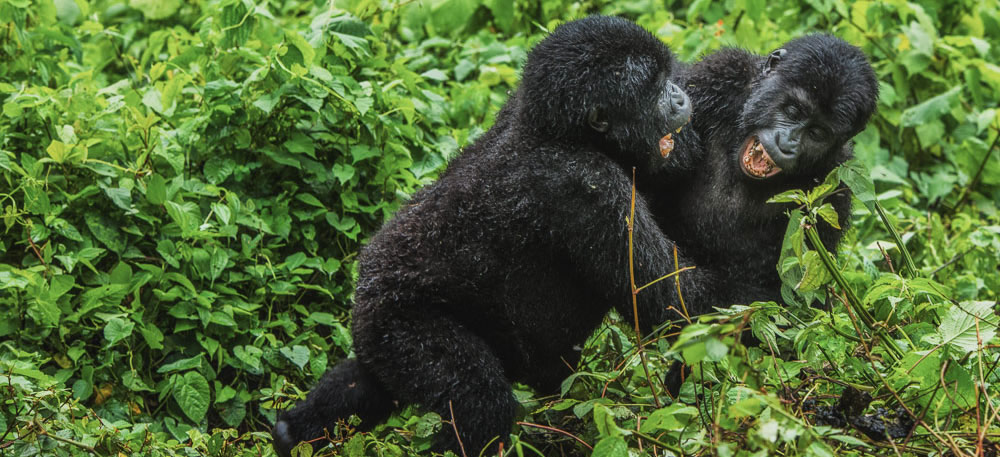
Some of the Reasons Why Gorillas Reproduce Slowly
Long Gestation Period
One of the most important factors slowing gorilla reproduction is their long pregnancy. A gorilla’s gestation lasts about eight and a half months, closely matching that of humans.
This extended period ensures the fetus develops a large brain, strong muscles, and the coordination needed to survive in complex forest environments. Such lengthy development means females can only carry one infant at a time and cannot become pregnant again until after birth and nursing.
Single Offspring Per Birth
Gorillas almost always give birth to one infant at a time. Twins are extremely rare. This single-infant strategy allows mothers to invest deeply in every newborn but also limits how quickly a population can grow.
Many other mammals produce litters that enable rapid population increases; gorillas instead focus on nurturing one infant to survival maturity.
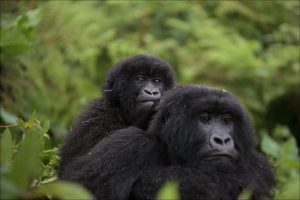 Long Period of Infant Dependency
A baby gorilla is entirely dependent on its mother. It cannot walk on its own at birth and continues to cling to the mother’s body for months. Even after it begins to explore, it nurses for up to three or four years.
A mother will not conceive again until she weans her current infant. Because of this multi-year spacing, each female produces a new baby only once every four to six years; consequently, this significantly slows the species’ reproductive rate.
Slow Maturation of Females
Female gorillas do not reach sexual maturity quickly. They typically begin breeding at eight to ten years of age, depending on the species and environmental conditions.
This delayed maturity shortens the reproductive lifespan of each female and reduces the number of infants she can produce over her lifetime.
 Complex Social Structure
Gorillas live in groups led by a dominant silverback. The silverback controls breeding access, and only a few females, those in his group, have opportunities to mate.
This social system creates a natural “bottleneck” in reproduction, as not every adult female can always conceive. If a female moves between groups, it may take time to settle into a new social structure before breeding resumes.
High Maternal Investment
Raising a gorilla infant is not a short process. The mother provides:
- Constant carrying during early life
- Frequent nursing
- Grooming and cleaning
- Teaching critical behaviours such as feeding and social interaction
Protection from threats
This heavy investment requires energy, time, and safety. Because each infant demands such intense care, females cannot manage multiple births in short succession. This high investment ensures that the young survive, but naturally slows reproduction.
 Energetic Demands and Dietary Needs
Although gorillas are strong, they feed primarily on vegetation, which requires hours of daily foraging. Pregnant and lactating females must consume even more food, making frequent reproduction biologically difficult.
Their forests provide abundant vegetation, but not the dense, high-calorie diet needed to sustain rapid reproduction, as in some carnivores or omnivores.
Natural Survival Strategy
Gorillas evolved this slow reproduction as part of a long-term survival strategy; consequently, they have maintained their populations in the wild for millions of years through the following methods:
- Face relatively few predators
- Live in large, protective groups
- Occupy stable forest territories
Because adults have high survival rates, they don’t need to produce many offspring rapidly. Instead, they focus on raising strong, well-developed infants with a high likelihood of living to adulthood.
Vulnerability to Disturbances
While slow reproduction is natural, it makes gorilla populations highly vulnerable to:
- Habitat destruction
- Poaching
- Disease outbreaks
- Conflict with humans
When numbers decline, it can take decades for a population to recover because females cannot suddenly increase their reproductive output. Even small losses can have long-term consequences.
Conclusion
Conclusively, gorillas reproduce slowly because they invest deeply in each infant, take years to raise their young, and follow a natural rhythm shaped by forest life and complex social structures. This slow pace ensures the survival of strong, well-adapted offspring but also makes the species extremely sensitive to human-driven threats.
For more details, travel tips, and a booking guide, check out our contact page.