
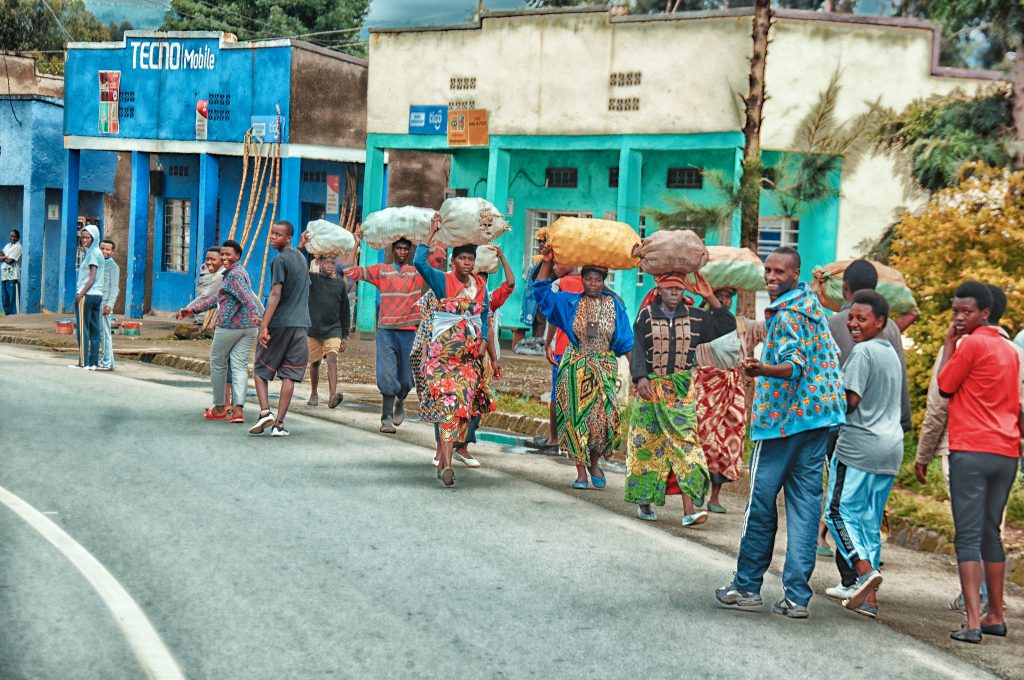
 Facts About Rwanda
Rwanda, officially the Republic of Rwanda, is a landlocked country in East-Central Africa. Known as the “Land of a Thousand Hills” (Le Pays des Mille Collines) for its rolling green terrain, it has transformed into one of Africa’s most progressive and cleanest nations.
Key General Facts
- Capital & Largest City: Kigali, widely regarded as Africa’s cleanest city.
- Official Languages: Kinyarwanda, English, French, and Swahili.
- Population: Approximately 14 million (2025 estimate), making it the most densely populated country on the African mainland.
- Geography: Dominated by mountains in the west and savanna in the southeast. The highest peak is Mount Karisimbi (4,507 m ) in the Virunga Mountains.
- Climate: Tropical highland climate with mild temperatures year-round (18-28 C ) and two distinct rainy seasons.
Unique Social & Environmental Initiatives
- Plastic Bag Ban: Rwanda was one of the first countries to implement a total ban on non-biodegradable plastic bags (since 2008), contributing to its remarkable cleanliness.
- Umuganda: On the last Saturday of every month, all citizens aged 18–65, including the President, participate in mandatory nationwide community service, such as street cleaning and building schools.
- Women in Politics: Rwanda holds the world record for the highest percentage of women in parliament, with over 60% of seats held by women.
- Car-Free Days: To promote healthy living and reduce pollution, major cities like Kigali host “Car-Free Days” twice a month, where residents walk, cycle, or exercise in the streets.
 Nature & Wildlife
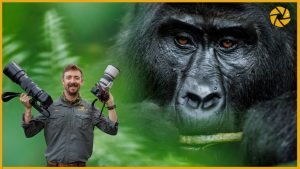
- Mountain Gorillas: Rwanda is one of only three countries where you can see the endangered mountain gorilla in the wild, primarily in Volcanoes National Park.
- The Big Five: Akagera National Park is home to the “Big Five” (lion, leopard, elephant, rhino, and buffalo) following successful reintroduction programs.
- Biodiversity: The country boasts over 700 bird species and rare primates like the golden monkey and chimpanzees.
History & Culture
- Rebirth After Tragedy: Since the 1994 Genocide against the Tutsi, Rwanda has remained deeply committed to reconciliation. During those 100 days, perpetrators killed approximately 800,000 people; consequently, the nation now prioritises healing and unity.
- Cultural Heritage: Traditional dance is a core part of Rwandan life. The most famous is the Intore (Dance of Heroes), performed with drums (Ingoma) and spears.
- Colonial History: Germany originally colonised the territory from 1897 to 1916. Subsequently, Belgium administered the region until the nation finally gained its independence on July 1, 1962.
- Cuisine: Rwandans primarily eat staples like sweet potatoes, beans, and plantains. Additionally, they enjoy Brochettes (skewered meat), which the country considers its national dish.