
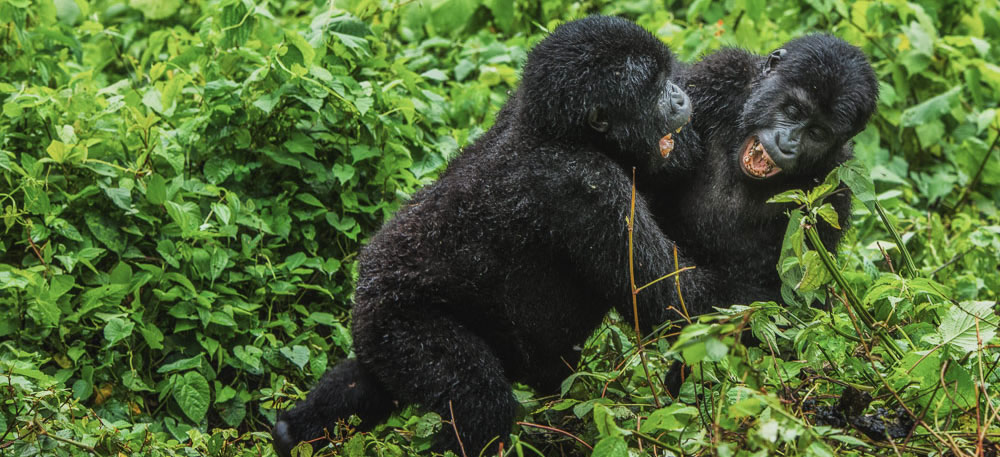
What If I Fail to See Gorillas | Chances of Seeing Gorillas
Many travellers ask? What happens if I fail to see gorillas before booking a safari? As a result, they often seek reassurance about their chances of a successful sighting. This concern arises frequently among first-time trekkers heading to Bwindi, Mgahinga, or Volcanoes National Park.
Because gorilla trekking remains a premium wildlife experience, we provide honest information to set clear expectations. Fortunately, failing to see gorillas is extremely rare; park authorities also maintain clear procedures to protect your investment if challenges occur.
Gorilla Trekking Success Rates in Bwindi, Mgahinga & Volcanoes National Parks
Across Uganda and Rwanda, gorilla trekking success rates exceed 98%; as a result, visitors almost always encounter these primates in Bwindi, Mgahinga, and Volcanoes National Parks. Failing to see gorillas remains very rare, regardless of the Park you choose. Furthermore, several key factors drive this high reliability:
- Advanced Trackers: Professional trackers head into the forest at dawn to locate gorilla families, then relay exact GPS coordinates to your lead Ranger via radio.
- Constant monitoring of habituated gorilla families: Rangers stay with the gorillas until they nest for the evening; therefore, the team knows exactly where to begin the search the following morning.
- Expert Knowledge: Your guides understand each habituated group’s feeding patterns and seasonal movements; in fact, they can predict where the gorillas will travel even in dense terrain.
- Official Statistics: According to the Uganda Wildlife Authority, the success rate for seeing gorillas in Bwindi and Mgahinga sits consistently at 99%. Similarly, the Rwanda Development Board reports near-perfect sighting rates for Volcanoes National Park.

What If I Fail to See Gorillas in Bwindi Impenetrable National Park?
Bwindi Impenetrable National Park hosts the world’s largest population of mountain gorillas; as a result, the Park offers multiple trekking sectors to accommodate visitors. Several factors make Bwindi highly reliable. Specifically, the Park manages numerous habituated gorilla families across different regions. A large team of trackers also monitors wide forest areas daily to locate the groups. In addition, rangers can redirect trekking routes if the gorillas move unexpectedly.
What If I Fail to See Gorillas in Volcanoes National Park?
Volcanoes National Park in Rwanda has a well-established gorilla trekking infrastructure; as a result, visitors often enjoy shorter treks than in other regions. Several factors contribute to Volcanoes’ high success rate; professional teams track gorilla families intensively every day. Furthermore, treks often start much closer to known gorilla locations; therefore, guides and trackers communicate closely to ensure you reach the primates quickly and reliably.
 What if you truly don’t see Gorillas?
While rare, sudden weather changes, safety risks, or unusual movements can occasionally affect a trek. Consequently, Park authorities don’t simply send you away if you don’t see the gorillas; instead, they address the situation based on the specific circumstances. Specifically, officials may offer you one of the following options:
- A Second Trek: The Park often allows you to join another trekking group the following day at no additional permit cost; furthermore, this second chance almost always results in a successful sighting.
- Continued Tracking: Rangers will make every effort to locate the gorillas during the Trek; as a result, these excursions typically last several hours.
- Partial Refund: If you cannot stay for another day, the Uganda Wildlife Authority or the Rwanda Development Board may issue a partial refund of the permit fee. Typically, they refund 50% of the permit value if the failure to locate gorillas was due to the animals’ movement or environmental factors.
- Re-Trek Opportunity: In exceptional cases, Park authorities may offer visitors a second trek on another day; however, this remains subject to permit availability.
- Alternative Activities: In some cases, the Park offers an alternative guided activity, such as a nature walk or golden monkey trekking, to make up for the missed experience. Most travellers reschedule their gorilla trek to ensure they meet the primates.
- Permit Consideration: Park authorities offer permit credits or discounts toward future treks, helping protect your investment even if the initial attempt fails. Policies also vary by country.
These policies usually apply only when rangers fail to locate the gorillas. If your own physical fitness prevents you from completing the Trek, the Park enforces much stricter refund and rescheduling rules. Consequently, we highly recommend hiring a porter at the start of your hike to ensure you reach the gorillas comfortably.
When can you consider a Trek Successful?
Understand that even a brief sighting counts as a successful trek. Consequently, the Park service considers your permit fulfilled once you make contact with the gorillas. Natural factors such as vegetation, weather, and terrain influence visibility, making gorilla behaviour inherently unpredictable. Also, remember that rangers do not stage these encounters; each visit remains unique and unscripted. This raw authenticity makes gorilla trekking truly special.
 How to Increase Your Chances of a Great Gorilla Trek
While sightings are already highly likely, preparing for the physical demands of forest hiking significantly improves comfort and overall enjoyment during the Trek.
- Following all Ranger instructions carefully helps ensure both personal safety and the gorillas’ well-being.
- Hiring a local porter to carry a pack and help on steep slopes is common and directly supports local community livelihoods.
- Maintaining realistic expectations and a positive mindset throughout the day is beneficial, as the jungle’s unpredictability is part of what makes the eventual encounter rewarding.
Why Gorilla Trekking Is Still Worth It
A gorilla trek offers exceptional value beyond the encounter itself. Specifically, the experience immerses you in pristine rainforest ecosystems. Your journey also offers direct insight into critical conservation and community protection efforts. You also gain a deeper appreciation for endangered wildlife through this once-in-a-lifetime connection. As a result, many travellers find the entire expedition—not just the moment with the gorillas—becomes the highlight of their safari.
In general, trackers rarely fail to find the gorillas. Consequently, professional systems protect your fairness and safety if challenges arise. Furthermore, trackers, daily monitoring, and expert guides ensure gorilla trekking consistently ranks among Africa’s most successful wildlife activities. In fact, these robust support structures guarantee that nearly every traveller enjoys a successful encounter.