
How difficult is gorilla trekking in Uganda?
How difficult is gorilla trekking in Uganda? Gorilla trekking in Uganda is generally considered a moderate-to-very physically demanding forest hike that takes 3-8 hours through steep, muddy, dense rainforest. You don’t need to be an Olympic athlete, but you should have reasonable stamina and stability to navigate the rugged environments where these primates live.
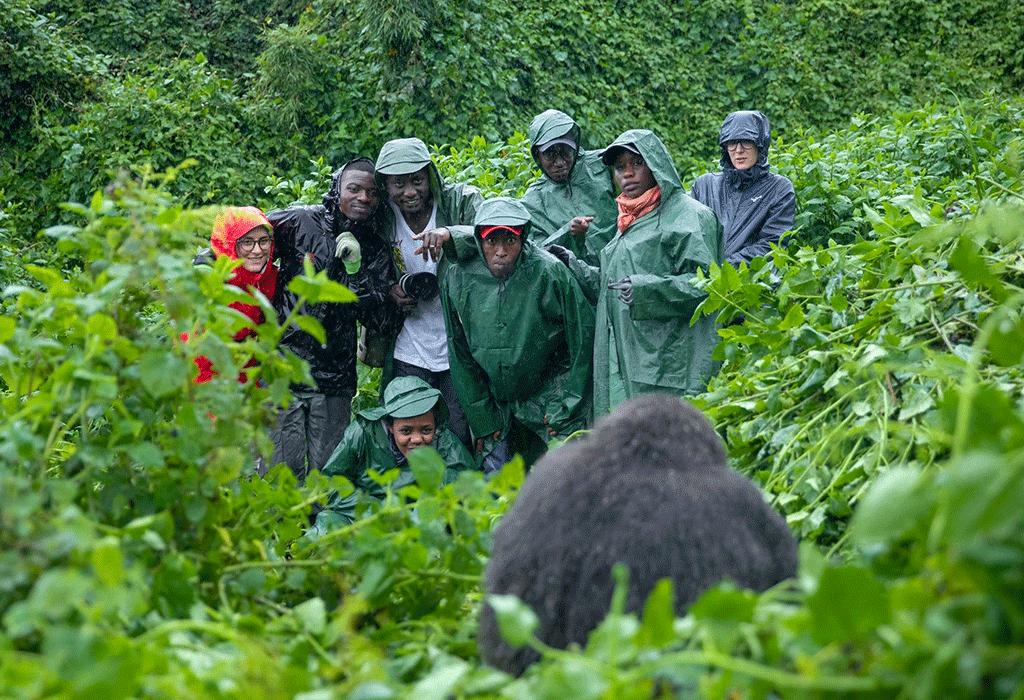
Physical Demands
- Terrain: You will navigate steep ridges, deep valleys, and thick undergrowth in Bwindi Impenetrable National Park, where guides often clear paths on the spot with machetes.
- Altitude: Hikes take place at altitudes ranging from 1,160 to 2,607 meters (3,800 to 8,500 feet), meaning the air is thinner and climbs feel more strenuous.
- Duration: Treks last 2 to 6 hours (occasionally up to 8), depending on how far the gorillas have travelled from their previous night’s nesting site.
- Weather: Rain can happen at any time, turning dirt trails into slippery slopes that demand extra balance and energy.
What to Expect
- Duration: Hikes last anywhere from 30 minutes to over 6 hours each way, depending entirely on where the wild gorilla family has roamed.
- Terrain: Expect steep, uneven, and often slippery ground with thick vines and dense brush in Bwindi Impenetrable National Park.
- Altitude: Elevations range from 2,500 to 3,000 meters (8,200 to 9,800 feet), meaning thinner air and a greater demand on your lungs.
- Age Limit: Participants must be at least 15 years old.
How to Make It Easier
- Porters: You can hire local porters at the start station to carry your heavy daypack and help you push or pull up steep hills.
- Porters and Walking Sticks: You can hire local porters at the trailhead to carry your backpack and help you up steep inclines or steady you in slick mud.
- Requesting Groups: During the morning briefing, tell your guides your fitness level so they can try to assign you to a closer, easier-to-reach gorilla family (though this is never guaranteed).
- Group Matching: Park authorities often try to match fitness levels to specific gorilla families, assigning shorter or less steep hikes to those who request them or show limited mobility (though they can’t guarantee exact distances).
- Sedan Chairs: For travellers with severe mobility limitations, you can pre-arrange sedan chairs to carry you through the forest.
- Preparation: Basic hillwalking, stair climbing, or treadmill incline training in the weeks leading up to your trip will build the required stamina.